Design Thinking Project
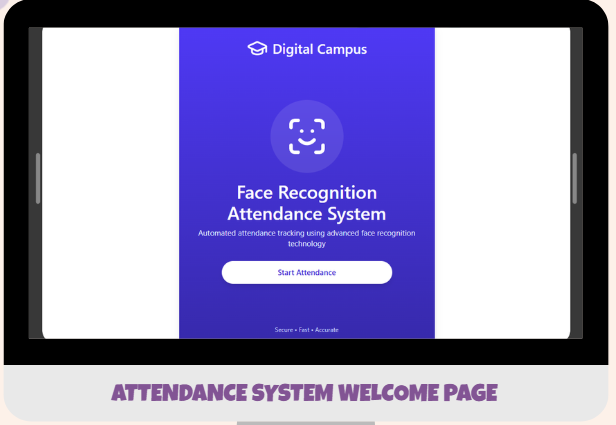
The theme of our system prototype is Future Digital Campus which focuses on integrating digital technology to improve efficiency, security, and overall student experience on campus. My team and I designed a Student Face Scan System to facilitate students in order to save their time during the attendance process and protect their safety by verifying the identification by face scanning instead of using matric cards or other methods. This is because many students often forget matric cards and cheating attendance commonly happens during lectures.
The main objective of this system is to save students' time by allowing attendance to be taken quickly and efficiently through face scanning technology. Instead of relying on traditional methods, the system verifies students' identities using facial recognition. This helps to reduce common issues such as students forgetting to bring or losing their matric cards and minimizes cases of attendance cheating, which often occur during lectures.
In order to improve efficiency, the system also enhances campus safety by ensuring that only registered students are verified and recorded in the attendance system. The use of biometric verification increases accuracy and reliability compared to conventional methods. The Student Face Scan System reflects how digital solutions can support smarter campus management and align with future digital transformation goals.
The following materials provide a complete overview of the project. The project report explains the system background, problem identification, proposed solution and design thinking steps in detail. The project slides summarize the key points of each design thinking phase and system features in a concise and visual manner. The project video demonstrates how the system works and illustrates the user flow with the project slides, while the video presentation provides a detailed explanation of the design thinking steps and functionality of the system.
In short, these materials present a comprehensive view of the Student Face Scan System and demonstrate how the prototype supports the concept of a Future Digital Campus.
Project Report
This report explains all the process in design thinking which empathy, define, ideate, prototype and testing of the Student Face Scan System in detail. The detailed steps and descriptions in design thinking, evidence and assessment point for each phase. Besides, each member of the team shared their reflection about the goal, the impact and improvement gained from this program.
Project Video
The video included slides summarising the key ideas, system features, and also all the process in design thinking which empathy, define, ideate, prototype and testing of the Student Face Scan System in a clear and visual format. At the same time, the system demonstration video demonstrates how the Student Face Scan System works by using interactive interfaces, including the face scanning process and attendance verification flow.
Click here to access the project videoProject Video Presentation
This video presents a detailed explanation of the process in design thinking which empathy, define, ideate, prototype and testing of the Student Face Scan System for a Future Digital Campus. Each member of the team had taken part in presenting the information of the project in a logical and interesting sequence with the project slides.
Click here to access the project video presentationReflection
Through the design thinking project, I learned how to identify real-world problems, understand user needs and develop practical solutions in a structured way. The process helped me to improve my creativity, critical thinking and problem-solving skills. I also noticed that collaboration with peers during assignments improved my teamwork skills and gave me new perspectives on solving problems. This is because working in a team can enhance my communication skills and taught me how to share ideas, give feedback, and collaborate effectively.
The project could be improved by allowing more guidelines for each design thinking stage. The reason for saying this is because additional guidance or examples of successful design thinking projects would also help students better understand how to apply the process effectively.
From my point of view, the design thinking project encouraged me to think from the user's perspective and be more innovative when solving problems. It increased my confidence in presenting ideas and motivated me to apply creative thinking in future projects and real-life situations.